


Air Source Heat Pump Vs Gas Boiler
Air Source Heat Pump Vs Gas Boiler: How Do They Compare For Heating And Hot Water?
If you’re wondering about switching to an air source heat pump vs gas boiler, you’re not alone. Heat pumps have seen a rise in interest across the UK, especially with energy efficiency and environmental impact now top priorities for many homeowners.
But the question remains: are heat pumps actually better than boilers? Or is the traditional gas boiler still the most effective and cost-efficient way to heat your home?
In this article, we’ll look at how the two systems work, compare their pros and cons, and help you decide which option suits your property and budget best.
How Do Gas Boilers And Heat Pumps Work?
A gas boiler burns natural gas to heat water, which is then circulated through radiators and taps. Combi boilers do this directly, while system or conventional boilers may store hot water in a separate tank.
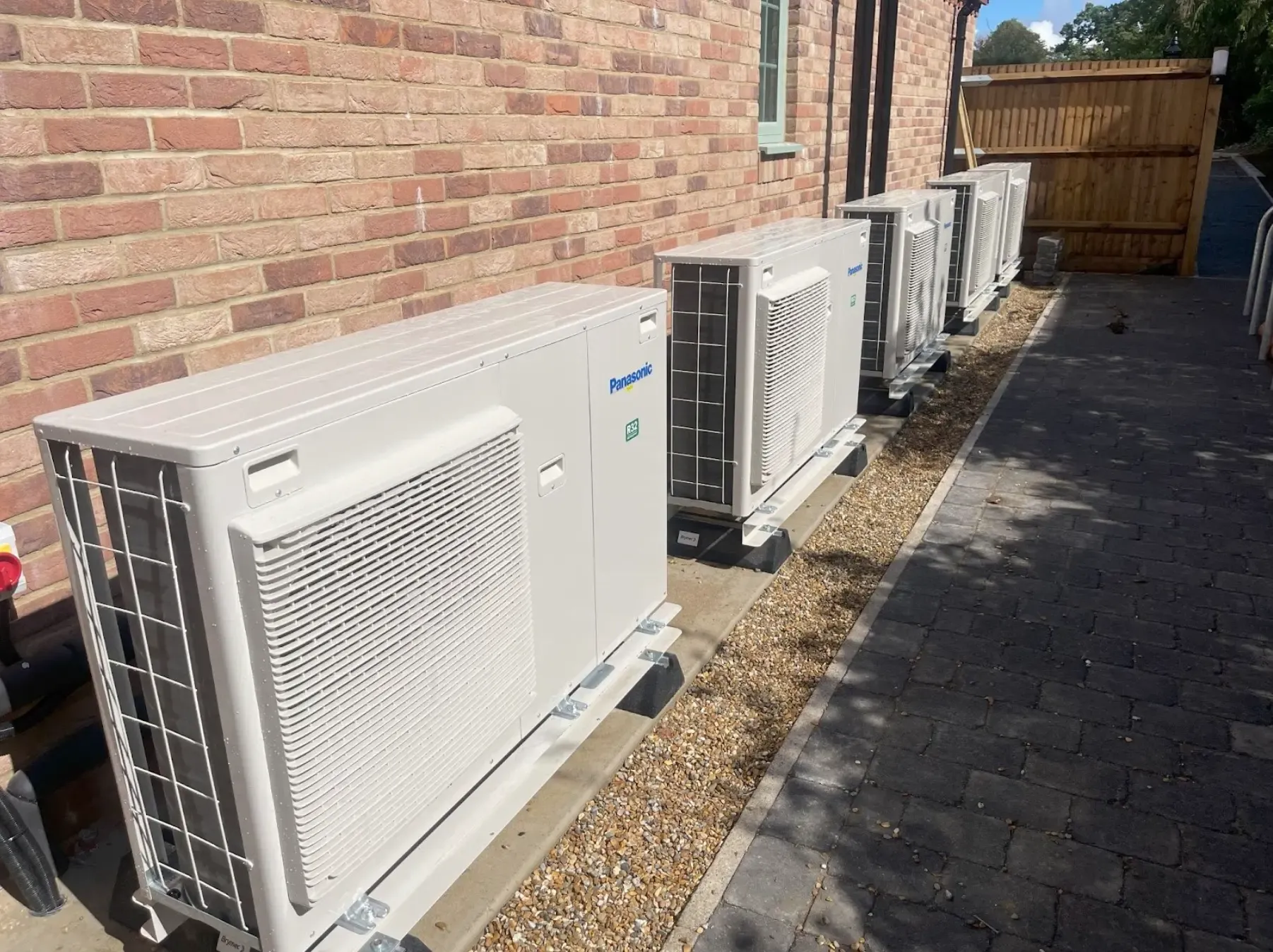
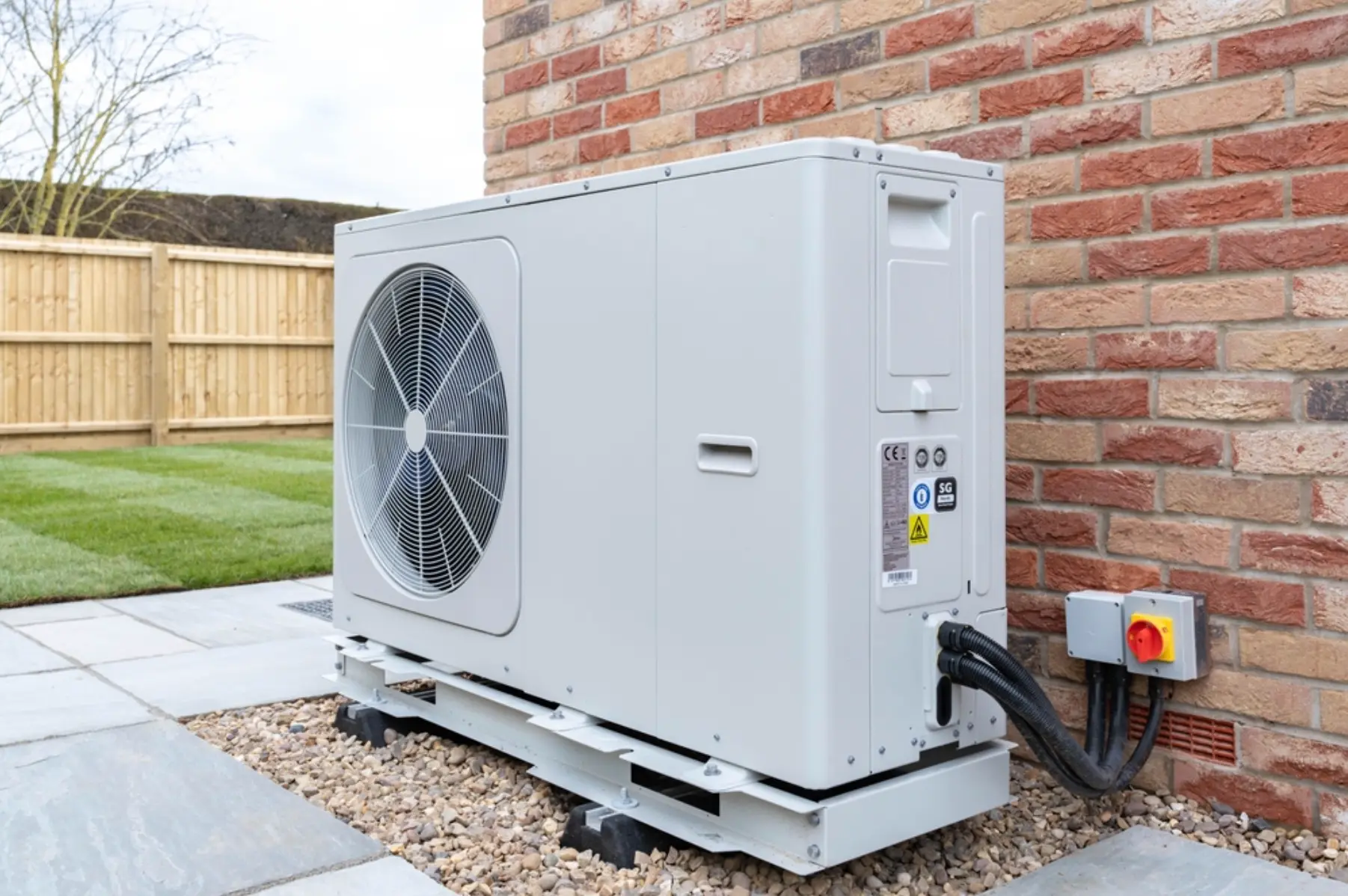
An air source heat pump (ASHP), on the other hand, works more like a fridge in reverse. It pulls in air from outside and compresses it to extract heat energy. That heat is then used to warm water for your heating system and taps.
Both systems serve the same purpose (heating your home and hot water) but they do so in very different ways.
Does A Heat Pump Replace A Boiler?
Yes, a heat pump is a full replacement for a boiler, not something that works alongside one.
If you install an air source or ground source heat pump, your gas boiler is no longer needed. That said, not every home is ready to make the switch without adjustments. Heat pumps operate at lower flow temperatures than boilers, so your radiators and insulation may need upgrading to keep your home warm enough.
Air Source Heat Pump Vs Gas Boiler: Which Is More Efficient?
This is where heat pumps really shine. A gas boiler is typically around 90% efficient. That means for every £1 you spend on gas, about 90p is converted into usable heat.
By contrast, an air source heat pump can be up to 300% efficient. That’s because it transfers heat rather than generating it: for every unit of electricity used, it can deliver 3 units of heat.
However, electricity is usually more expensive than gas per unit. So while the efficiency rate is higher, the actual running cost might not always be lower unless your home is well-suited to a heat pump setup.
What About Environmental Impact?
This is where heat pumps take the lead. Air and ground source heat pumps are low carbon heating systems. Because they don’t burn fossil fuels, they significantly reduce CO₂ emissions, especially if your electricity comes from renewable sources.
Gas boilers, while efficient, still burn natural gas and emit carbon dioxide. The UK government plans to phase out new gas boiler installations in new builds from 2025 as part of its net zero strategy.
If your goal is to futureproof your home and reduce your carbon footprint, installing a heat pump is a strong step in that direction.
Do I Need Underfloor Heating For A Heat Pump?
Not necessarily… but it helps.
Underfloor heating operates at lower temperatures, which makes it a perfect partner for heat pumps. However, you can still use a heat pump with radiators, as long as they’re sized correctly for the lower flow temperatures.
In some cases, your existing radiators may need replacing with larger ones to ensure adequate heat output.
Installation Costs: Heat Pump Vs Boiler
The cost of installing a heat pump is typically higher than a new gas boiler. A heat pump system can range from £7,000–£13,000, depending on the type (air or ground source) and whether upgrades to insulation or radiators are needed.
A new gas boiler, by comparison, usually costs £2,000–£4,000, depending on the brand and whether it’s a combi or system boiler.
However, government grants such as the Boiler Upgrade Scheme can offer up to £7,500 towards the cost of a heat pump, making the switch more affordable.
And if you’re opting for a boiler replacement, KD Jones offers 0% boiler finance to help you spread the cost of installation with no interest or hidden charges.
When Should I Choose A Gas Boiler Instead?
Heat pumps are excellent for new builds, well-insulated homes, and properties with large radiators or underfloor heating already in place.
But for older properties with solid walls, limited outdoor space, or poor insulation, a gas boiler might still be the more practical and cost-effective choice, especially if you need high flow temperatures and quick installation.
At KD Jones, we’ll give you honest, expert advice based on your property’s layout, heating needs, and long-term plans. Whether you’re exploring renewables or want a reliable, energy-efficient gas boiler, we can help you make the right call.
📞 Call us on 01737 211376
🌐 Visit our contact page to request a quote online
📍 Based in Redhill, we cover homes across Surrey and the surrounding areas
FAQs
What’s the difference between a heat pump and a boiler?
A boiler burns fuel to generate heat, while a heat pump extracts heat from the air (or ground) and transfers it. Both systems heat your home and hot water, but with different methods and energy sources.
Are heat pumps better than gas boilers?
They’re more energy efficient and environmentally friendly, but they aren’t always cheaper to run unless your home is well insulated and properly configured.
Do I need to replace my boiler if I install a heat pump?
Yes. A heat pump is a full heating and hot water system on its own. You won’t need a gas boiler alongside it.
Can I get government support to install a heat pump?
Yes. Schemes like the Boiler Upgrade Scheme offer grants to help reduce the upfront cost of installing a low-carbon system.
How long do heat pumps last?
Typically 15–20 years, similar to a well-maintained gas boiler.
Will a heat pump work with my existing radiators?
It might, but many homes need larger radiators or underfloor heating to get the most out of a heat pump’s lower flow temperature.
Are heat pumps noisy?
Most modern systems are fairly quiet, around the level of a fridge, but outdoor placement should be considered.
What’s more expensive to install: heat pump or boiler?
Heat pumps have higher upfront costs, but you may be eligible for grants. Boilers are cheaper to install, and we offer 0% finance to help spread the cost.
Do heat pumps need maintenance?
Yes, but usually just a yearly service to keep them running efficiently, similar to a boiler service.
Can KD Jones install both boilers and heat pumps?
We specialise in both, and we’ll advise you honestly on what suits your home best.